
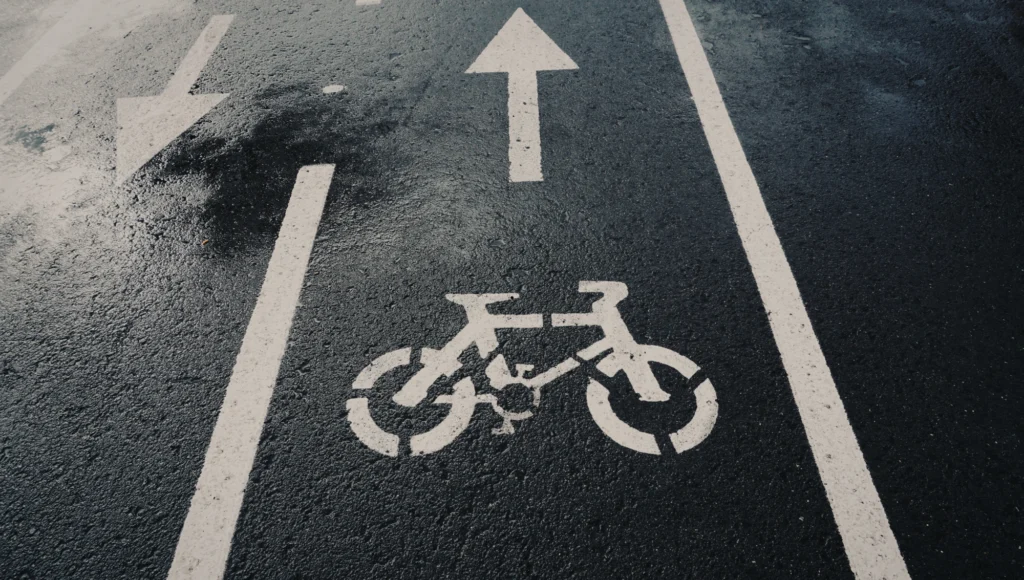
Electric bikes have become a fixture on Southern California’s streets, coastal paths, and bike lanes. Their popularity has grown rapidly, and so has the number of accidents and serious injuries, particularly among younger riders. Staying informed about the rules of the road is no longer optional for anyone who rides, parents a rider, or simply shares a path with one.
How California Defines an E-Bike
Under California law, an electric bicycle must have fully operable pedals and a motor of 750 watts or less. Unlike motorcycles, true e-bikes require pedal assist, meaning the motor cannot fully replace human effort. Standard e-bikes do not require registration, licensing, or insurance, though every e-bike must display a permanently affixed label in 9-point Arial font listing its classification, top assisted speed, and motor wattage.
The Three E-Bike Classes
California divides electric bicycles into three classes, each carrying its own rules for speed, age, and where riders may operate them.
Class 1 and Class 2 e-bikes are low-speed options, with motor assistance capping out at 20 mph. Class 1 uses pedal assist while Class 2 uses a throttle. There is no minimum age requirement for these bikes, and helmets are only legally required for riders under 17.
Class 3 e-bikes provide pedal assistance up to 28 mph. Riders must be at least 16 years old, and helmets are required for all ages. These bikes are not permitted on off-road, shared pedestrian paths, which is an important distinction for trail riders and coastal path users.
Where You Can and Cannot Ride
Bikeway access in Orange County depends on which class of e-bike you are riding. Class 1 and Class 2 bikes are permitted on Class I off-road paths shared with pedestrians, while Class 3 bikes are not. All three classes may use on-road bike lanes, shared roadways, and protected cycle tracks separated from traffic.
No e-bike class is permitted on unpaved trails in regional or wilderness parks. Sidewalk riding is also generally prohibited. When riding on the road, all e-bike riders must follow the flow of traffic and stay as far to the right as is practical.
New State Laws That Took Effect in 2026
California lawmakers passed four significant updates to bicycle regulations that went into effect on January 1, 2026. Together, these changes reflect a serious effort to improve e-bike safety and hold more people accountable.
First, it is now illegal to sell any product or device that modifies an e-bike’s speed limiter. Second, retailers and private sellers cannot legally sell a Class 3 e-bike to anyone under 16, with violations carrying fines of up to $250. Third, red reflectors are now required at all times, not just at night. Fourth, riders under 18 who are cited for not wearing a helmet can have the ticket dismissed by completing a safety course and providing proof of an approved helmet.
Police now have the authority to seize e-bikes capable of exceeding 20 mph, which typically signals illegal modification or underage Class 3 use. Riders whose bikes are impounded may need to complete a safety course before their bikes are returned.
Expanded Parental Liability in 2026
One of the most significant legal shifts in 2026 involves parents. California law now holds parents accountable for their children’s e-bike violations in meaningful ways. Parents can face child endangerment charges, fines, and e-bike impoundment if their children break e-bike laws.
In more serious cases, criminal charges may be filed. A recent example from Yorba Linda saw a father charged with felony child endangerment after his 12-year-old was injured riding an illegal e-motorcycle. Parents should treat e-bike oversight as a genuine legal responsibility, not just a parenting concern.
How Fault Works in E-Bike Accidents
California operates under a fault-based system, meaning the party responsible for an accident is also financially responsible for the resulting damages. However, multiple parties can share fault under the state’s comparative negligence laws. Responsible parties may include vehicle drivers, government entities, or anyone whose reckless conduct contributed to the incident.
If you are injured in a crash, understanding your legal rights matters. Orange County bicycle accident law firms offer free consultations to help injured riders understand who is liable and what compensation they may be entitled to recover.
Huntington Beach Sets the Regional Standard
Huntington Beach has established itself as a leader in e-bike enforcement and education across Orange County. The city’s program authorizes police to impound electric bicycles and issue $400 fines for local ordinance violations. Students are also required to complete e-bike safety courses before riding to school.
On March 16, 2026, Huntington Beach held its first “bike rodeo,” a safety event where young riders practiced navigating traffic scenarios under police guidance. The program has drawn attention from neighboring communities looking to build similar frameworks.
Explore: Mygreenbucks
Other OC Cities Responding
Several Orange County cities are now developing their own approaches to e-bike regulation, influenced in part by Huntington Beach’s model.
Seal Beach has restricted electric motor bicycles from public parks, beaches, and the city pier. Irvine is considering an ordinance that would fine parents up to $500 for their children’s e-bike violations. Fullerton is exploring rules targeting dangerous riding behaviors such as weaving through traffic and performing wheelies. Rancho Santa Margarita has launched a three-phase safety initiative involving education, community engagement, and enforcement.
At the county level, the Orange County Transportation Authority supports these efforts through its 2025 E-Bike Safety Action Plan, which coordinates education, enforcement, data collection, and policy across all 34 Orange County cities.
Practical Safety Tips Before Every Ride
A few simple habits go a long way in preventing accidents. Before every ride, inspect your wheels, brakes, handlebars, and motor. Only purchase e-bikes from reputable manufacturers that include standard safety features, and make sure the bike’s class label is properly affixed.
While riding, always wear an approved helmet, manage your speed, and yield to pedestrians. At night, use front lights and wear reflective gear to stay visible. Understanding and following Orange County e-bike safety laws is one of the most effective steps any rider can take to stay safe.