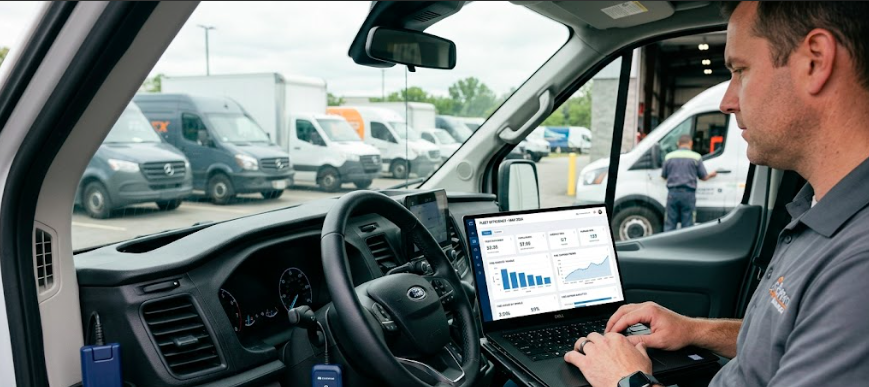

E-commerce growth is no longer determined solely by marketing strength or product quality. While those elements remain essential, the real differentiator for scaling online stores today is logistics. Specifically, smart logistics—the use of data, automation, and connected systems to manage inventory, fulfillment, and delivery—is reshaping how online businesses expand and compete.
As customer expectations rise and competition intensifies, logistics has shifted from a background operation to a strategic growth driver. Online stores that invest in smarter logistics systems are better positioned to scale efficiently, reduce costs, and deliver consistently positive customer experiences.
What Smart Logistics Actually Means
Smart logistics refers to the integration of technology and data-driven decision-making across the entire supply chain. Instead of relying on manual processes and disconnected systems, smart logistics uses real-time data, automation tools, and predictive analytics to optimize every step—from inventory storage to last-mile delivery.
In practical terms, this includes automated warehouse management systems, real-time tracking dashboards, demand forecasting tools, and optimized shipping routes. The goal is simple: move products from point A to point B faster, cheaper, and with fewer errors.
For online stores, this means fewer stockouts, faster deliveries, and more reliable operations—all of which directly impact revenue and customer satisfaction.
Why Logistics Becomes Critical During Scaling
Many online stores start with simple fulfillment setups. A small warehouse, manual packing, and basic shipping processes are often enough in the early stages. However, as order volume increases, these systems quickly become inefficient.
Scaling introduces complexity: more SKUs, more orders, more shipping destinations, and higher customer expectations. Without a smart logistics framework, this complexity leads to delays, errors, and rising operational costs.
Smart logistics solves this by introducing structure and automation. Instead of reacting to problems as they occur, businesses can proactively manage demand, inventory, and delivery performance. This shift is what allows online stores to grow sustainably rather than collapse under operational pressure.
Inventory Optimization Through Data
One of the most important components of smart logistics is inventory optimization. Holding too much stock increases costs, while holding too little leads to missed sales opportunities.
Smart logistics systems use historical sales data, seasonal trends, and predictive analytics to forecast demand more accurately. This allows businesses to stock the right products in the right quantities and locations.
By improving inventory accuracy, online stores can reduce waste, improve cash flow, and ensure products are available when customers want them. This is especially important for fast-growing brands that experience unpredictable spikes in demand.
Automation in Warehousing and Fulfillment
Automation is at the core of smart logistics. Modern warehouses increasingly rely on automated systems to streamline picking, packing, and sorting processes.
Instead of manually locating items, workers are supported by software that directs them efficiently or even by robotic systems that retrieve products automatically. This reduces processing time and significantly lowers the risk of human error.
Automation also allows fulfillment centers to handle higher order volumes without proportional increases in labor costs. For online stores, this means scalability without operational bottlenecks.
The Role of Real-Time Tracking and Transparency
Today’s customers expect visibility. They want to know where their order is, when it will arrive, and if there are any delays. Smart logistics enables this through real-time tracking systems that provide continuous updates throughout the delivery process.
For online stores, this transparency is more than just a convenience—it builds trust. Customers are more likely to return to brands that provide reliable, up-to-date information about their orders.
Internally, real-time tracking also helps businesses identify inefficiencies in their supply chain. If delays occur frequently in a specific region or carrier, adjustments can be made quickly.
Reducing Costs Without Sacrificing Speed
Scaling an online store often comes with rising costs, especially in logistics. Shipping fees, warehousing expenses, and labor costs can quickly erode profit margins.
Smart logistics helps control these costs through optimization. For example, intelligent shipping algorithms can select the most cost-effective delivery routes and carriers based on time, distance, and pricing. Bulk shipping consolidation and regional warehousing also reduce per-order shipping costs.
At the same time, these efficiencies do not compromise speed. In fact, optimized logistics networks often improve delivery times by positioning inventory closer to customers and streamlining fulfillment workflows.
Enabling Faster Market Expansion
Expanding into new markets is one of the most effective ways for online stores to grow revenue. However, international expansion introduces challenges such as customs regulations, longer shipping times, and higher logistics complexity.
Smart logistics systems help overcome these barriers by enabling distributed inventory and region-based fulfillment strategies. Instead of shipping every order from a single location, businesses can store products in multiple fulfillment centers closer to target markets. This is especially important for UK ecommerce fulfillment, where localized distribution significantly improves delivery speed and customer satisfaction.
This reduces delivery times, lowers shipping costs, and improves the customer experience in new regions. As a result, online stores can expand globally with far less operational friction than in the past.
Enhancing Customer Experience Through Logistics
Customer experience is often thought of in terms of branding, website design, or product quality. However, logistics plays an equally important role.
Fast, accurate, and reliable delivery significantly improves how customers perceive a brand. Late deliveries, missing items, or inconsistent shipping experiences can damage trust even if the product itself is high quality.
Smart logistics ensures consistency. Orders are processed faster, errors are minimized, and delivery timelines are more predictable. This leads to higher customer satisfaction, more repeat purchases, and stronger brand loyalty.
How Smart Logistics Supports Long-Term Growth
Sustainable growth requires systems that scale. Smart logistics provides the foundation for this by aligning operational capacity with business demand.
Instead of constantly reacting to growth challenges, businesses with smart logistics systems can plan ahead. They can anticipate demand spikes, allocate inventory strategically, and maintain stable fulfillment performance even during peak periods.
This stability is critical for long-term success. Many online stores fail not because they cannot attract customers, but because they cannot consistently deliver on their promises as they scale.
The Future of Smart Logistics in E-Commerce
The evolution of smart logistics is far from complete. Emerging technologies such as artificial intelligence, machine learning, and autonomous delivery systems are expected to further transform the industry.
AI-driven forecasting will improve demand prediction accuracy, while robotics will continue to automate more warehouse tasks. Meanwhile, advancements in delivery technology—such as drones and autonomous vehicles—could further reduce delivery times and costs.
Sustainability will also play a growing role. Smarter logistics systems will increasingly focus on reducing emissions through optimized routes, eco-friendly packaging, and energy-efficient warehousing.
Conclusion
Smart logistics is no longer optional for growing online stores—it is a core requirement for scaling successfully. By combining automation, data-driven decision-making, and optimized fulfillment networks, businesses can reduce costs, improve efficiency, and deliver better customer experiences.
As competition in e-commerce continues to intensify, the ability to scale efficiently will depend less on marketing alone and more on operational intelligence. In this environment, smart logistics is not just a support function—it is a strategic advantage that defines who grows and who gets left behind.