Fuel is the cost that never stops. It does not care about your margins, your slow season, or the deal you negotiated last year. For most fleets, it is the single biggest controllable expense, which is exactly why it is the best place to look for savings. The frustrating part has always been that the waste is hard to see. A van idling for twenty minutes, a route that backtracks across town, a driver with a heavy foot, none of it shows up on the pump receipt. It just quietly inflates the total.
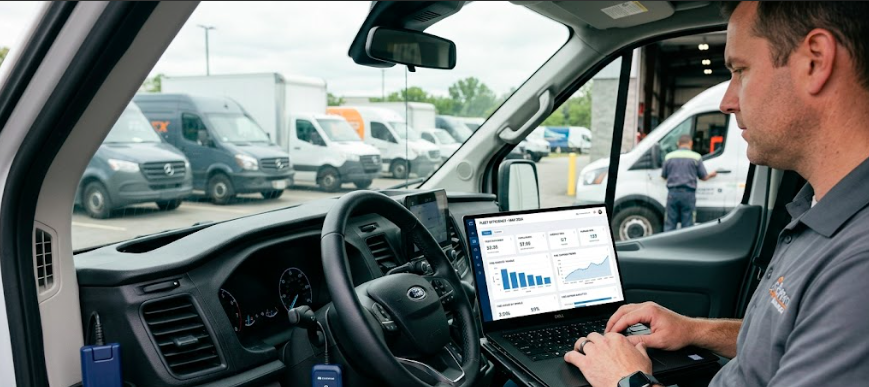
An OBD tracker is one of the simplest tools for dragging that waste into the light. It plugs into the diagnostic port under the dash, takes about ten seconds to install, and immediately starts reading both location data and engine data. That combination is what makes it a fuel-saving machine. This guide walks through exactly how to use an OBD GPS tracker to cut your fuel bill, step by practical step.
What an OBD Tracker Is, and Why It Saves Fuel
The OBD-II port is the same connection a mechanic plugs into to read your engine. An OBD tracker uses that port to pull a live stream of data: location, speed, idle time, fuel usage patterns, and engine fault codes. Because it reads the engine directly, it sees the fuel-wasting behaviors that a basic location tracker misses entirely.
The install advantage matters too. No wiring, no appointment, no tools. You plug it in and you are tracking in seconds, and you can move it between vehicles just as fast. For a fleet that wants to start saving fuel this week rather than next month, that speed is part of the value.
1. Kill Idle Time, the Easiest Win
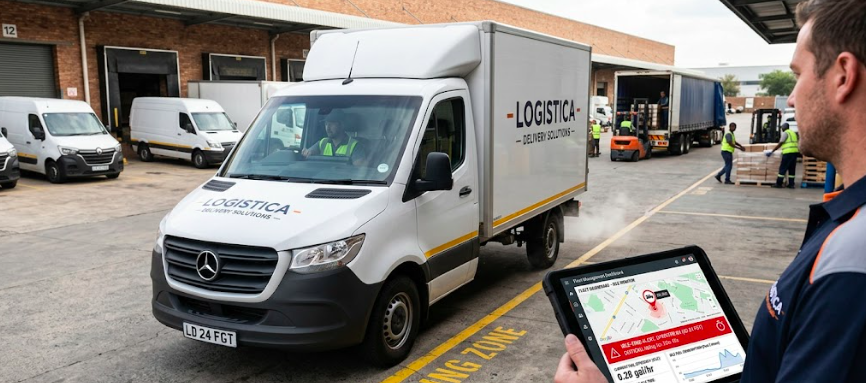
Idling is the lowest-hanging fruit in fleet fuel savings, and an OBD tracker is built to harvest it. A vehicle sitting and idling burns roughly a gallon of fuel an hour while doing absolutely nothing for you. Across a fleet, the idle hours pile up fast: warm-ups that run too long, engines left running through lunch, trucks idling at every paperwork stop.
Here is how to attack it with the tracker:
- Pull the idle-time report per vehicle to see exactly who idles and how much.
- Set an idle-time alert so you are notified when a vehicle crosses your threshold.
- Share the numbers with drivers, since most idling is habit, not necessity, and awareness alone cuts it sharply.
- Track the improvement week over week and recognize the drivers who bring their numbers down.
Idle reduction is often the fastest payback in the entire system. For many fleets, the fuel recovered from cutting idle time alone covers the cost of the trackers.
2. Fix the Routes That Waste Fuel
Every unnecessary mile is fuel you bought for nothing. The trouble is that inefficient routing is invisible from the office. Drivers backtrack, overlap territories, and take longer paths, and it all just shows up as a higher fuel total at the end of the month.
An OBD tracker’s route history makes the inefficiency visible:
- Replay actual routes to spot backtracking, detours, and overlapping coverage.
- Reorganize territories and job clustering based on where vehicles actually go.
- Identify and eliminate the unauthorized side trips that add quiet miles and quiet fuel cost.
- Plan tighter routes that fit more jobs into fewer miles, getting more done per tank.
Tightening routes does more than save fuel. It reduces wear, frees up capacity, and lets the same fleet handle more work, so the savings compound beyond the pump.
3. Coach the Driving Habits That Burn Fuel
How a vehicle is driven has a huge effect on how much fuel it burns. Aggressive driving, hard acceleration, hard braking, and speeding, can cut fuel economy dramatically compared to smooth, steady driving. An OBD tracker captures these behaviors so you can coach them.
Speeding
Fuel economy drops off sharply above a certain speed, so a fleet that habitually runs ten over is paying a fuel penalty on every mile. Speed data lets you see who is doing it and coach it back, recovering miles per gallon across the fleet.
Hard acceleration and braking
Jackrabbit starts and last-second stops dump fuel and wear out brakes and tires at the same time. The tracker flags these events so you can turn them into specific, fair coaching conversations rather than vague pleas to drive better.
Building a fuel-aware culture
The real win is cultural. When drivers can see their own behavior data and there is friendly recognition for smooth, efficient driving, habits shift across the whole team. A fleet that drives consciously for fuel economy saves on every tank, every day, without you having to police it.
4. Catch Engine Problems That Quietly Waste Fuel
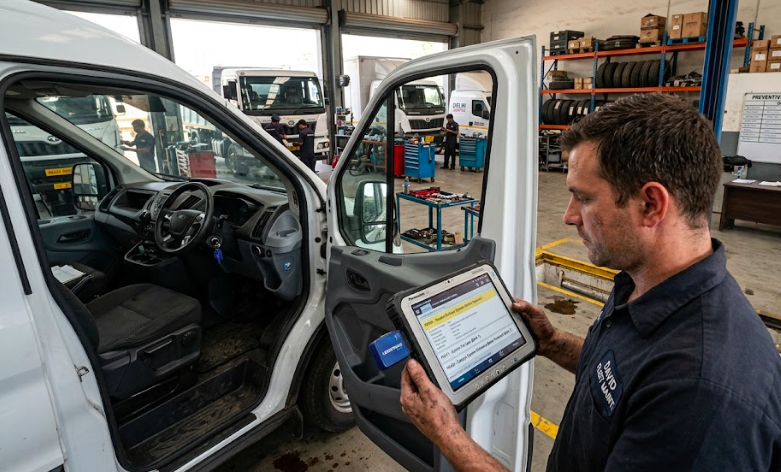
This is where an OBD tracker pulls ahead of a basic GPS unit. Because it reads engine data directly, it can surface the mechanical issues that secretly tank your fuel economy long before they trigger an obvious failure.
A dirty air filter, a failing oxygen sensor, low tire pressure, or a misfiring cylinder can all cut fuel efficiency noticeably while the vehicle still runs fine. The OBD tracker reads the fault codes and diagnostic data that point to these issues, so you can fix them early. That early catch saves fuel and prevents the small problem from growing into an expensive breakdown.
Tying these diagnostics into proactive maintenance scheduling means you service vehicles based on real engine data and usage, keeping every truck running at peak efficiency instead of slowly losing miles per gallon to neglect.
5. Verify Your Fuel Spend Against Reality
Fuel theft and fraudulent fuel-card purchases are a real, underestimated drain on fleets. An OBD tracker gives you the data to catch the discrepancies. By comparing fuel purchases against actual vehicle location, mileage, and tank capacity, you can spot the fill-up that does not match where the truck was or how far it went.
When a fuel-card charge shows a full tank but the tracker shows the vehicle was parked across town, you have caught something that would otherwise vanish into the monthly total. That verification alone can recover meaningful money for fleets that have been quietly losing it to misuse.
Putting It All Together: Your Fuel-Saving Playbook
Here is the practical sequence to turn an OBD tracker into real fuel savings:
- Install the OBD trackers, seconds per vehicle, no appointment needed.
- Set idle-time and speeding alerts and pull a baseline report on each vehicle.
- Review route history and reorganize for fewer redundant miles.
- Coach drivers using their own behavior data, fairly and consistently.
- Act on engine fault codes early to keep efficiency high and prevent breakdowns.
- Cross-check fuel purchases against location and mileage to catch theft and fraud.
- Track your fuel cost per vehicle month over month and keep tightening.
Run that playbook and the fuel savings stack: less idling, fewer wasted miles, smoother driving, healthier engines, and no more fuel walking off the books. For most fleets, the combined effect pays back the cost of the trackers within months.
Choosing an OBD Tracker That Actually Helps
The savings only land if the system behind the device is not quietly costing you. Watch for the same traps that catch fleets everywhere: long-term contracts, stacked activation and data fees, and support lines that never answer. A fuel-saving tool should not come with a budget-draining subscription attached.
BrickHouse GPS offers plug-and-play OBD trackers as part of GPS fleet tracking built for operators, with no long-term contracts, all-in pricing, devices that ship within 48 hours, a lifetime warranty on an active plan, and real human support. The fuel you save stays in your pocket instead of getting eaten by fees.
The Bottom Line
An OBD tracker saves fuel by making every source of waste visible and fixable: idling, inefficient routes, fuel-hungry driving habits, neglected engine issues, and fuel theft. It plugs in within seconds and starts paying you back almost immediately. Fuel is the cost that never stops, so the savings never stop either. The waste is already happening. An OBD tracker just lets you finally see it and shut it down.